Safeguarding Policies and Procedures
Our main priority above anything else is to make sure that all our children are safe by promoting their welfare and keeping them safe from harm. Listed below are the members of staff who make up our Safeguarding Team:
Welholme Academy's Safeguarding Team

Mrs L Lehman
Vice Principal
Designated Safeguarding Lead
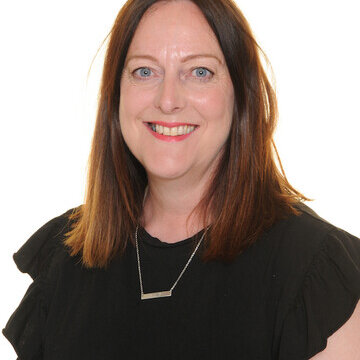
Miss K Maddison
Safeguarding Mentor
Deputy Designated Safeguarding Lead

Miss C Muscroft
Learning Mentor
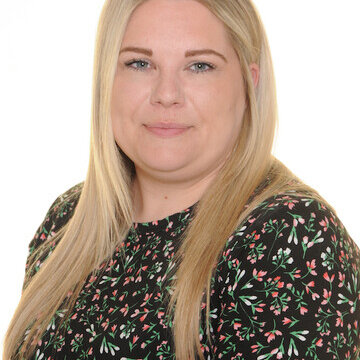
Mrs R Reynolds
Safeguarding Mentor

Mr E Chamberlain
Principal
The Safeguarding Team work with children and their families using preventative and proactive approaches to support them to be happy, healthy and safe. If there is a concern about the safety and/or well-being of a child, the team may support the family directly or may need contact Children’s Social Care for further advice and support.
Our safeguarding policy is updated regularly to meet the requirements of the latest relevant legislation including Keeping Children Safe in Education and Working Together to Safeguard Children.
-
Welholme Safeguarding Policy
-
Keeping Children Safe in Education: Statutory Guidance
-
Working Together to Safeguard Children: Statutory Guidance
How do we keep our children safe?
- Having a dedicated Safeguarding Team
- Having an up to date Safeguarding Policy
- Having an open doors policy where concerns can be shared in confidence
- By ensuring our staff members receive the relevant training when needed to stay up to date with the latest safeguarding procedures and information
- By sharing information with the appropriate agencies when concerns are raised, if necessary
- Completing the checking procedures to ensure all staff members have the suitability to work with children and young people
What do I do if I have a concern about the safety, care or welfare of a child or young person?
IF YOU ARE CONCERNED ABOUT THE SAFETY OR WELL-BEING OF ANY CHILD YOU KNOW, YOU SHOULD ACT WITHOUT DELAY.
If you have a concern about a child or young person, you can contact:
- Our Safeguarding Team - telephone: 01472 329944
- Children's Social Care via the Integrated Front Door or Emergency Duty Team - telephone: 01472 326292 (option 2)
- NSPCC Child Protection Helpline - telephone: 0808 800 5000
- North East Lincolnshire Safeguarding Children Partnership website and report a concern online
- The police on 101, or 999 in an emergency
You should report any concerns, however small they may seem, as soon as you possibly can. Everyone has a responsibility to keep children safe from harm. Many people worry that their concerns or suspicions may be wrong, or that they are interfering unnecessarily, or that someone else might report it. Our advice would be to report in any case to the school or Children's Social Care where they can give advice and the professionals can process the information you have.
What will we do if we have a concern about your child?
If we are concerned that your child may be at risk of abuse or neglect we must follow the procedures in our child protection policy. You can look at the policy HERE on our website, or come into school and see a copy.
The procedures have been written to protect all pupils. They comply with our statutory responsibilities and are designed to support pupils, families and staff. The procedures are based on the principle that the welfare of the child is the most important consideration.
In almost all circumstances, we will talk to you about our concerns and we will also tell you if we feel we must refer our concerns to Children's Social Care. We will ask your consent to make a referral, but in some circumstances we may need to make a referral against your wishes. We will only do this if we genuinely believe that this is the best way to protect your child, and the fact that you did not consent to the referral will be recorded.
If we think that talking to you first might in some way increase the risk to your child, we will report our concerns to Children's Social Care and take advice from them. We will normally tell you that a referral is being made and we will record the reasons why we decided to follow this course of action.
All child protection records are kept separate from your child's general school file. Records are stored in a locked cabinet or drawer, and if stored on computer they are password protected.The only staff who have access to the records are those who need to know about the concerns in order to protect and support your child.
Child protection is a very sensitive issue and it raises many questions and a range of strong emotions. We will do everything we can to support our pupils and you can be assured that any action we take will be in the best interests of your child.
What are the signs of child abuse?
No parent ever wants to think about the possibility of their child (or any child) becoming a victim of abuse, and most children never have to experience this. Even so, it is important for parents to be aware of the possibility and to know that help is available if the unthinkable happens. if you notice anything that concerns you, talk to your child to see if you can find out what is happening.
Remember, if your child is being harmed in any way, they may be too frightened or reluctant to talk to you. If your child becomes distressed or you are not happy with the explanations, you could talk to an adult you trust or call a helpline or children's services for advice.
Staff in school will always be at hand if you wanted to discuss your concerns.
Some signs to look out for are:
- Bruises or other injuries
- A change in behaviour - from quiet to loud, or from happy to withdrawn
- Pain or discomfort
- Fear of a particular person, or a reluctance to be alone with them
- Secrecy around a relationship with a particular person
- Reluctance to discuss where they go, or who they are with
- Sexual talk or knowledge beyond their years
- Being watchful, or always on edge
- Losing interest in their appearance, hobbies or family life
- Alcohol or drug taking
- Having money and refusing to say where it has come from
- Wetting the bed
- Becoming clingy
Types of Abuse
There are many types of abuse. These include physical, emotional, sexual and neglect.
Physical Abuse
Physical abuse is deliberately hurting a child and causing injuries such as bruises, broken bones, burns or cuts.
It isn't accidental - children who are physically abused suffer violence such as being hit, kicked, poisoned, burned, slapped or having objects thrown at them. Shaking or hitting babies can cause non-accidental head injuries (NAHI). Sometimes parents or carers will make up or cause the symptoms of illness in their child, perhaps giving them medicine they don't need and making the child unwell - this is known as fabricated or induced illness (FII). There's no excuse for physically abusing a child. It causes serious, and often long-lasting, harm - and in severe cases, death.
Emotional Abuse
Emotional abuse is the ongoing maltreatment or emotional neglect of a child.
It's sometimes called psychological abuse and can seriously damage a child's emotional health and development. Emotional abuse can involve deliberately trying to scare or humiliate a child, or isolating or ignoring them. Children who are emotionally abused are usually suffering another type of abuse or neglect at the same time - but this isn't always the case.
Sexual Abuse
A child is sexually abused when they are forced or persuaded to take part in sexual activities.
This doesn't have to include physical contact and it can happen online. Sometimes the child won't understand that what's happening to them is abuse. They may not even understand that it is wrong.
Neglect
Neglect is the ongoing failure to meet a child's basic need and is the most common form of child abuse.
A child may be left hungry or dirty, without adequate clothing, shelter, supervision, medical or health care. A child may be put in danger or not protected from physical or emotional harm. They may not get the love, care and attention they need from their parents. A child who's neglected will often suffer from other abuse as well. Neglect is dangerous and can cause serious, long-term damage - or even death.
There are many other types of abuse. Visit the NSPCC website for more information.
Helpful Websites
NE Lincolnshire Safeguarding Children Partnership - Website dedicated to safeguarding and promoting the welfare of children and young people in North East Lincolnshire
NSPCC - The leading children's charity fighting to end child abuse in the UK and Channel Islands
Samaritans - Finding out a child is struggling to cope can be a frightening and distressing discovery for parents. The Samaritans offer support for parents who is struggling to cope
Young Minds - Advice and helpline for parents who are worried about their child's behaviour or mental health
CEOP - Child Exploitation and Online Protection Centre
Is your child is being bullied?
We define bullying as behaviour that is deliberate, repeated more than once and is designed to be hurtful. Bullies tend to pick on children who they think are unable to defend themselves. Bullying is not only about hitting or fighting, it also include name-calling, threats, taking belongings, intimidating and making unkind or abusive remarks.
Children may try to hide the fact they are being bullied because they are afraid or ashamed, but you might notice some signs - for example, your child might:
- Change their behaviour
- Come home with torn clothing
- Try to avoid going to school
- Complain regularly of headaches or stomach aches
- Have unexplained cuts or bruises
- Play truant
We have anti-bullying procedures that help us to identify and deal with any case of bullying in school, but bullying does not only take place in school, it can also happen in the home or in the community.
Bullying can be serious and cause a lot of distress. If your child tells you that they are being bullied in school, ask for their permission for you to tell us. They may not have told us themselves because they are afraid that the bully will find out and the bullying will get worse. Try to help them understand that the bullying will not stop while it is kept secret. As soon as we know it is happening, we will follow our anti-bullying procedures to try to stop it.
It is also distressing to suspect that your child might be bullying other children. Our anti-bullying procedures include trying to support children who bully to change their behaviour, so please talk to us if you think your child needs some help.
Our Anti-Bullying Policy can be found on the School Policies page HERE

e-Safety for Pupils and Parents
Pupils at Welholme Academy use the Internet on a regular basis as part of their learning and e-Safety plays a very important part in how we protect the children under our care. In school we have extensive security measures in place which are monitored both internally and externally, to prevent children accessing inappropriate materials. Any e-Safety incidents are recorded and managed in accordance with our e-Safety Policy.
e-Safety is taught throughout the school to all pupils explaining and demonstrating how to stay safe and behave appropriately online. Pupils have access to a great range of e-Safety lessons using their own Blog account and parents are free to use these materials with their children at home.
We can only be successful in keeping children safe online if we work with parents to ensure the e-Safety message is consistent. It is important that parents speak to their children about how they can keep safe and behave appropriately online.
This section of the website aims to provide both pupils and parents with help and guidance to ensure your children enjoy the internet in a safe environment.
e-Safety Newsletters
Links
Internet Matters - a site full of advice and guidance for parents including help with setting up parental controls on devices.
Common Sense Media - a great site for parents who would like more information on apps and games that the children are using.
CEOP and Think U Know - explanations of and guidance in child exploitation amongst other aspects.
e-Safety Guides for Parents
Our Online Safety Policy can be found on the Policy page HERE
PREVENT is a government strategy designed to stop people becoming terrorists or supporting terrorist or extremist causes. The PREVENT strategy covers all types of terrorism and extremism, including the extreme right wing, violent groups and other causes.
How does the PREVENT strategy apply to schools?
Schools (as well as other organisations) have a legal duty to safeguard children from radicalisation and extremism. This means we all have a responsibility to protect children from extremist and violent views the same way we protect them from other dangers. Importantly, we can provide a safe place for pupils to learn about and discuss these issues so they better understand how to protect themselves.
What does this mean in practice?
Many of the things we already do in school to help children become positive, happy members of society also contribute to the PREVENT strategy.
These include:
- Ensuring ALL staff participate in safeguarding training that is updated regularly and know what behaviours might indicate involvement in radicalisation and extremism
- Ensuring ALL staff know what to do should they have concerns regarding safeguarding and this includes radicalisation and extremism
- Exploring other cultures and religions and promoting diversity
- Challenging prejudices and racism
- Developing critical thinking skills and a strong, positive self-identity
- Promoting the spiritual, moral, social and cultural development of pupils, as well as British values such as democracy
We also protect children from the risk of radicalisation by using filters on the internet to make sure they can't access extremist and terrorist material, or by vetting visitors who come into school to work with pupils.
Frequently Asked Questions
How does PREVENT relate to British values?
Schools have been required to promote British values since 2014, and this will continue to be a part of our response to the PREVENT strategy.
British values include:
- Democracy
- The rule of law
- Individual liberty and mutual respect
- Tolerance of different faiths and beliefs
Isn't my child too young to learn about extremism?
The PREVENT strategy is not just about discussing extremism itself, which may not be appropriate for younger children. It is also about teaching children values such as tolerance and mutual respect.
The school will make sure any discussions are suitable for the age and maturity of the children involved.
Is extremism really a risk in our area?
Extremism can take many forms, including political, religious and misogynistic extremism. Some aspects may be a bigger threat in our area than others. We have a stance.
Our aim is to give our children the skills to protect themselves from any extremist views they may encounter, now or later in their lives. We also aim to develop their confidence in sharing their concerns and seeking help should they need to - in the same way we do around any safeguarding concerns.
Key Terms
- Extremism - vocal or active opposition to fundamental British values such as democracy, the rule of law and tolerance of different faiths and beliefs.
- Ideology - a set a beliefs
- Terrorism - a violent action against people or property, designed to create fear and advance a political, religious or ideological cause
- Radicalisation - the process by which a person comes to support extremism and terrorism
Where to go for more information
If you have any questions or concerns about the PREVENT strategy and what it means for your child, please do not hesitate to contact a member of the Safeguarding Team via the school office.
External sources
The following sources may also be useful for further information (click the link to access the relevant website):
PREVENT duty guidance: England and Wales, HM Government Home Office
The Department for Education and the Home Office have developed a website called Educate Against Hate aimed at parents, teachers and school leaders to provide practical advice, support and resources on protecting young people from extremism and radicalisation.